Fewer emergency food parcels as Brighton & Hove's affordable food shops grow
The Food Partnership's yearly survey of 51 food projects found a 65% rise in affordable food shops, while emergency parcels fell for a second year.
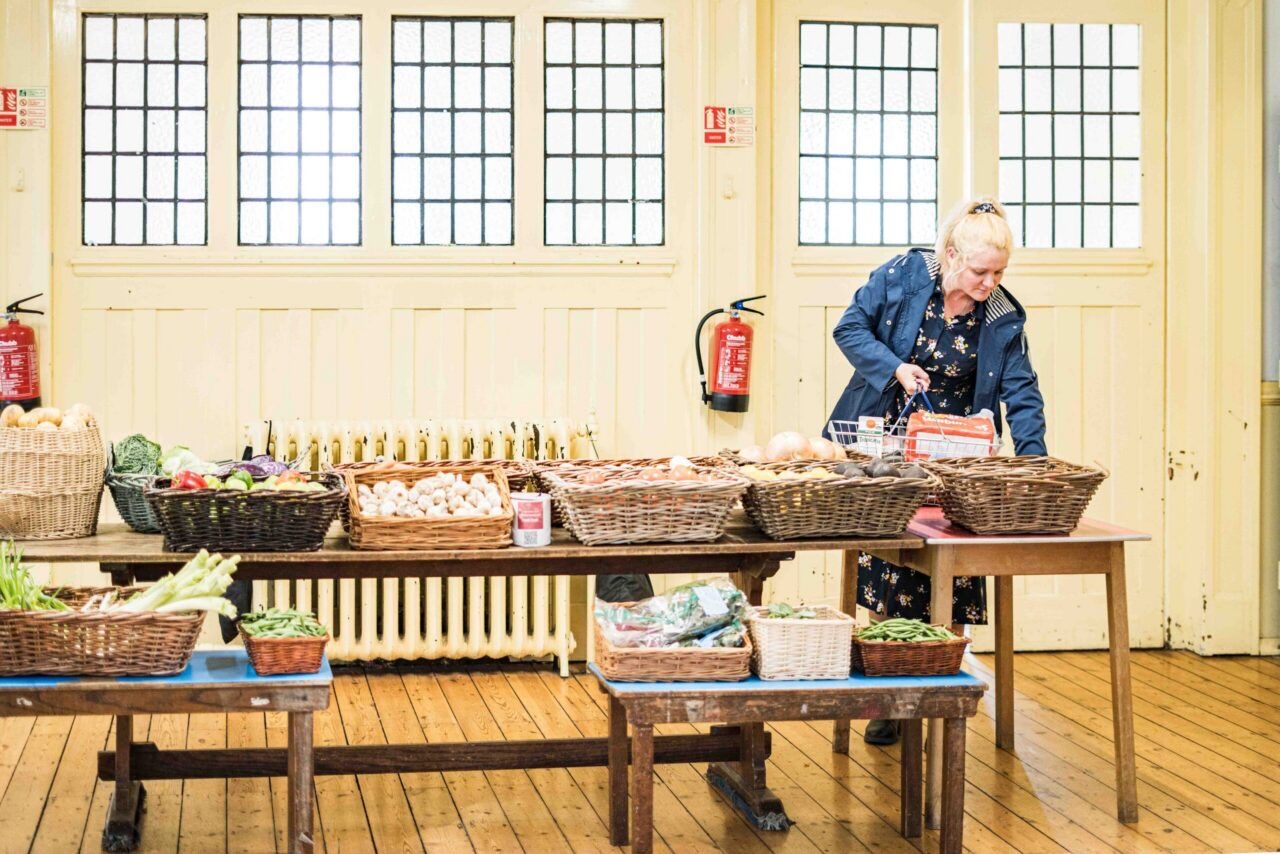
Brighton & Hove’s food projects are giving out fewer emergency food parcels and running more affordable food shops, according to the Food Support Network Report 2026, which Brighton & Hove Food Partnership published on Monday.
The partnership surveys the network’s 51 organisations, at 61 locations, about one week each July. This year emergency food parcels fell for a second year running, and the number of affordable food shops went up by 65%. Last year 24 projects had emergency food as their main output. This year it is 17. Since the partnership’s 2025 Beyond Food Banks report, the network has gained four new affordable food projects, including help in the west of the city.
Most food banks need a referral. At an affordable food shop, members pay a small fee to visit regularly and choose their own groceries, often including fresh fruit and vegetables.
In the survey week, projects handed out 622 food parcels, and members collected 770 shops from affordable food projects. Fewer people now depend on food banks for the long haul: a third of those collecting emergency parcels do so indefinitely, down from nearly half last year. The report calls that “a really positive change”.
Need has not fallen. Over 5,800 people were supported in the week, the fourth year running at a similar level (5,892, against 5,813 in 2025). Projects say the cost of living is still the main reason people come, and they are seeing more people in work and more people with mental health needs.
A year ago Oasis Community Shop, at Emmanuel Church in Hangleton, turned its food bank into a shop with a membership. It has since doubled the number of people it sees each week, and membership income now covers around half its costs. Lauren, the coordinator, told the partnership she had been nervous about charging. “In fact, some people, they’ve said we should up the prices! Because they get a lot for their money.”
Projects spent £12,859 on food and vouchers in the week, or nearly £700,000 a year. The partnership ran a bulk-buying pilot with the Food and Community Trust, a Sheffield supplier for food projects, but couldn’t keep the stock at the same site once the pilot ended. One of its five asks of the council is longer-term funding for storage, so bulk buying can carry on.
More than 800 volunteers worked across the network that week. Paying them the UK Living Wage Foundation rate would cost £1.81 million a year, the partnership reckons.
Food banks are also asking for winter donations: here’s what they need.
How to get involved
Find an affordable food shop or pantry near you (opens a new tab)
The Food Partnership's directory map shows every project offering community food support in the city, including affordable food shops, community fridges and pantries.
Volunteer at a food project (opens a new tab)
Many projects in the directory need volunteers. The Food Partnership says to contact them directly.
Sources
- How food support is being delivered in 2026 (Brighton & Hove Food Partnership)
- Food Support Network Report 2026 (Brighton & Hove Food Partnership)
- Directory map (Brighton & Hove Food Partnership)
- Accessing emergency food (Brighton & Hove Food Partnership)
Every fact in this story is checked against these sources. How we work
Spotted a mistake or something we missed?Tell the editor
Thank you. Your note is with the editor.
If you left an email address, we can reply there.
Sources 1, 2, 3, 4 · Brighton & Hove Food Partnership
- How food support is being delivered in 2026
- Food Support Network Report 2026
- Directory map
- Accessing emergency food