A Sussex wildlife hospital's advice on helping hedgehogs through the cold
East Sussex WRAS, which takes in hedgehogs from Brighton, says one out in daylight needs help, and none should be given milk.
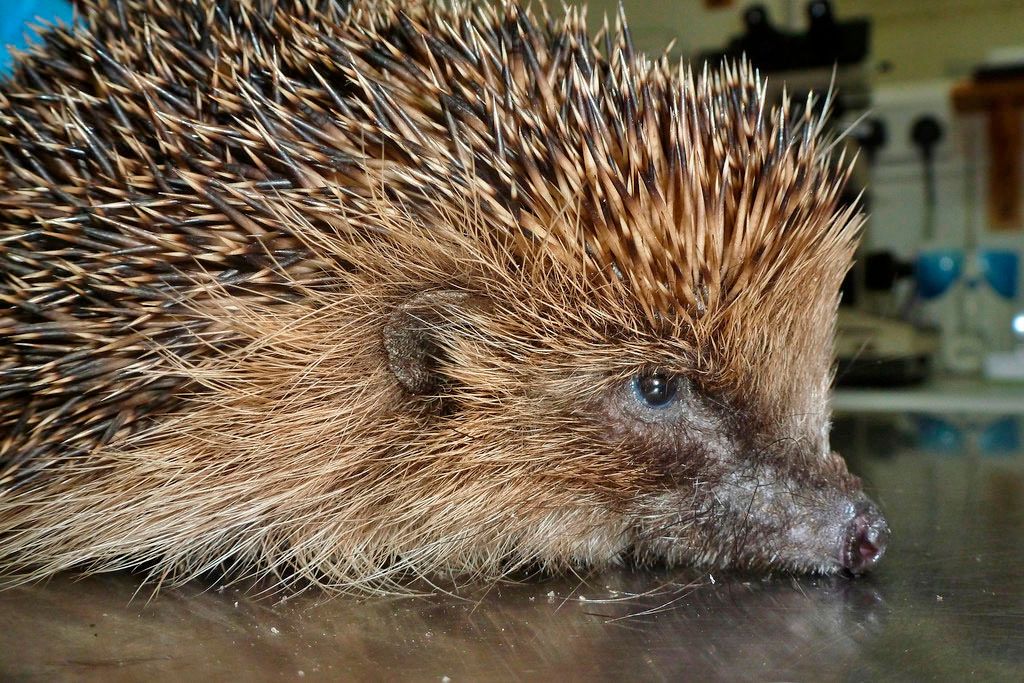
East Sussex Wildlife Rescue & Ambulance Service (WRAS) runs a wildlife hospital at Whitesmith, on the A22 between Hailsham and Uckfield. Its website sets out how to tell when a hedgehog needs help as the nights get colder, and what to feed one.
Hedgehogs are the wild mammal the hospital treats most, and some of them come from Brighton & Hove. WRAS says the Brighton & Hove Wildlife Advice & Rescue Service has no hospital of its own and works with organisations like WRAS. In 2024 WRAS’s 6,000th casualty of the year was a thin, wobbly hedgehog found out during the day in Hollingbury.
A hedgehog needs rescuing, WRAS says, if it is out in the daytime, clearly sick or injured, too small to hibernate, covered in ticks, trapped or tangled, or has fly eggs or maggots on it. The eggs look like clusters of tiny grains of rice. There is no fixed weight for winter: a healthy young hedgehog of 400 grams might be fine in early November in a garden where it is regularly fed, but it may be at risk if nights keep falling below 3C.
If you find one in trouble, pick it up with a cloth or gardening gloves and put it in a pet carrier or box lined with a white cloth or tissue paper. Bring it indoors somewhere warm, not a shed or garage, and get help straight away. The one exception is fly eggs: don’t warm that hedgehog, as warmth encourages them to hatch. Don’t worry about fleas either. They can’t live on people, cats or dogs.
Don’t give milk or milk substitutes, which can kill a weak hedgehog. Water is better. WRAS suggests cat food pouches or tins, or soaked cat biscuits, and asks people to avoid cheese, bread, mealworms, peanuts, cooked meat on bones, pumpkin, and spicy or salty food. Feed small amounts now and then. A little extra food can help for a while when the ground is frozen or under snow or ice.
The 24-hour rescue hotline is 0300 10 26 999, or 01825 873003 if it isn’t urgent. Calls after 9pm or before 8am may wake someone who has worked all day, so WRAS asks people to ring then only in an emergency. At night, put a hedgehog in a secure container and contact the nearest out-of-hours vet. “Good vets do not charge for admitting wildlife casualties,” the charity says.
How to get involved
Send something from the wish list (opens a new tab)
Food for the animals, bowls, cleaning and treatment supplies, posted or dropped off at Whitesmith
Find your nearest wildlife rescue (opens a new tab)
WRAS's rescue page has a map of its area and of other local rescues
The application form is closed for now; the roles are listed on the WRAS site
Sources
- Hedgehogs (East Sussex WRAS)
- Advice on Feeding Wildlife (East Sussex WRAS)
- Rescue (East Sussex WRAS)
- Wish List & Donating Items (East Sussex WRAS)
- Volunteer (East Sussex WRAS)
- About us (East Sussex WRAS)
- Facts & Figures (East Sussex WRAS)
- WRAS admits its 6000 casualty of the year! (East Sussex WRAS)
Every fact in this story is checked against these sources. How we work
Spotted a mistake or something we missed?Tell the editor
Thank you. Your note is with the editor.
If you left an email address, we can reply there.